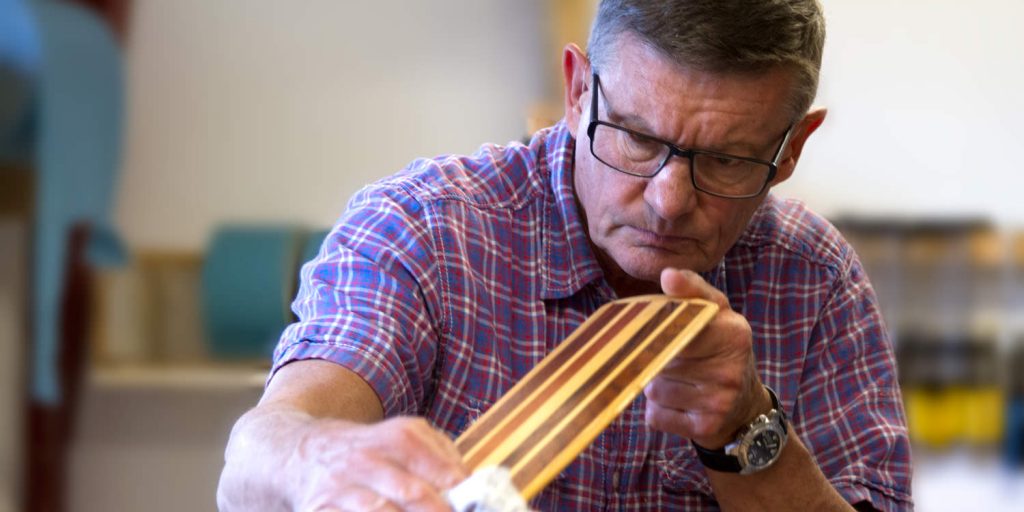
How the paddle is made
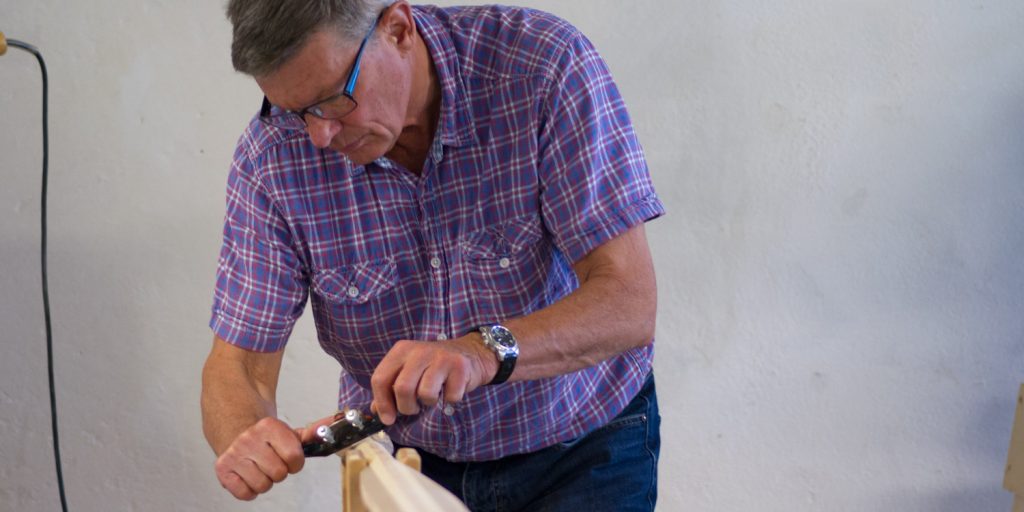
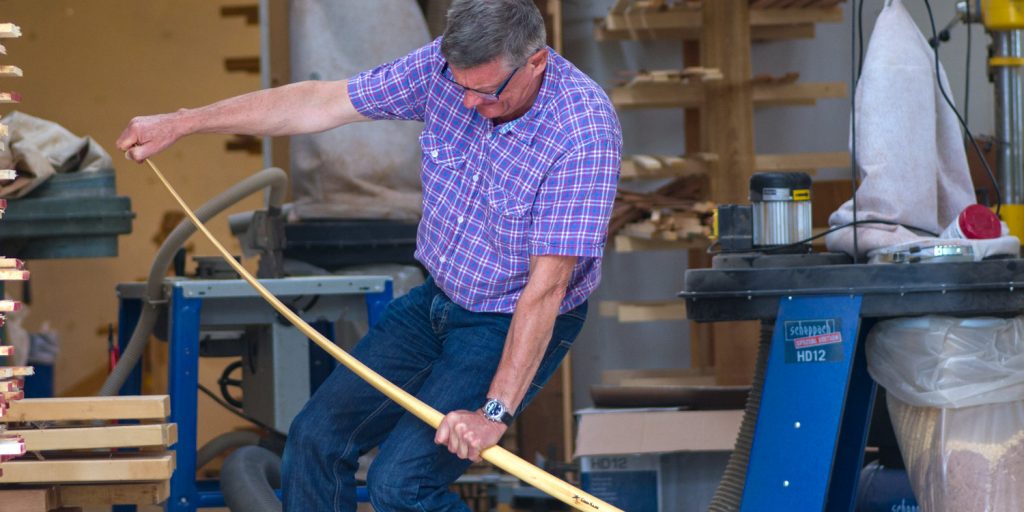
Wood is a wonderful material. Beautiful when it stands with green leaves, or powdered with white snow. For the benefit of us all as it produces oxygen, and eventually in its life as a building material or CO2-neutral fuel. On this page you can get an impression of the process behind my paddles. Each paddle is made individually using hand tools and eye measurements.
This helps make each paddle unique. However, I build all my paddles using the same old Greenlandic methods. The difference between each paddle is in the small variations in pattern that give each paddle its own unique character.

Selection of wood
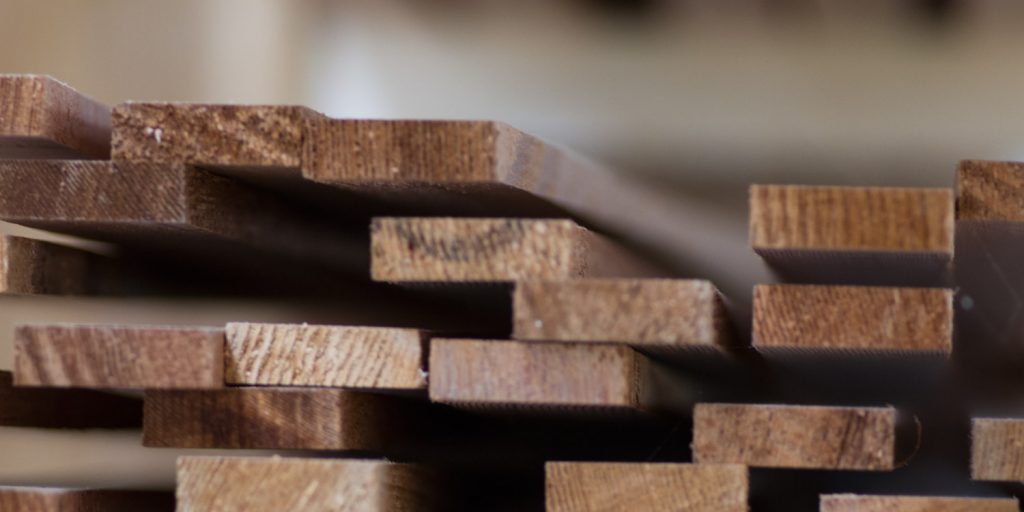
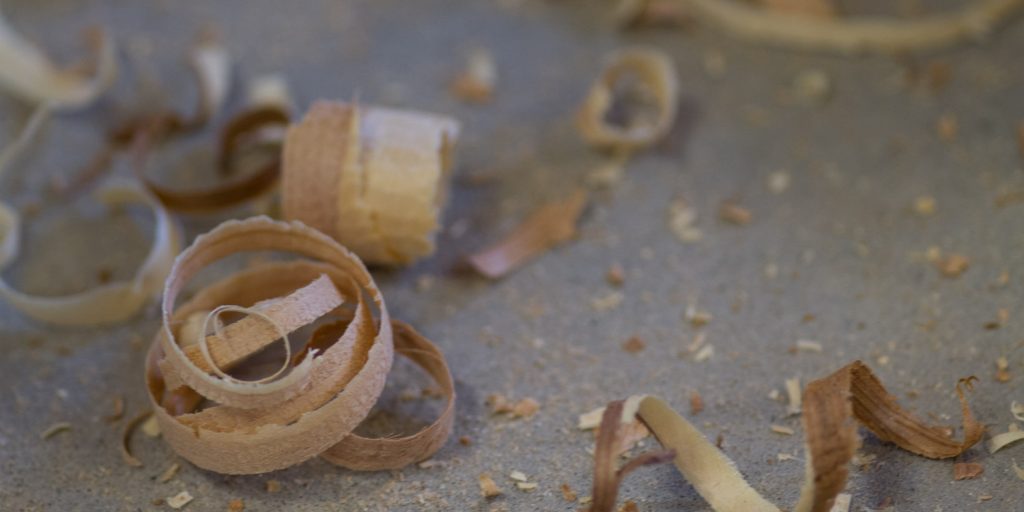
I mainly use red cedar (WRC) and Alaskan yellow cedar (YAC). For the edges I use hardwood – mainly ash, larch and oak. Red cedar is characterized by being lightweight yet beautiful to look at. Yellow cedar is strong and tough. As a bonus, both woods smell amazing during processing and together they always remind me of cigar boxes, pencils and citrus.
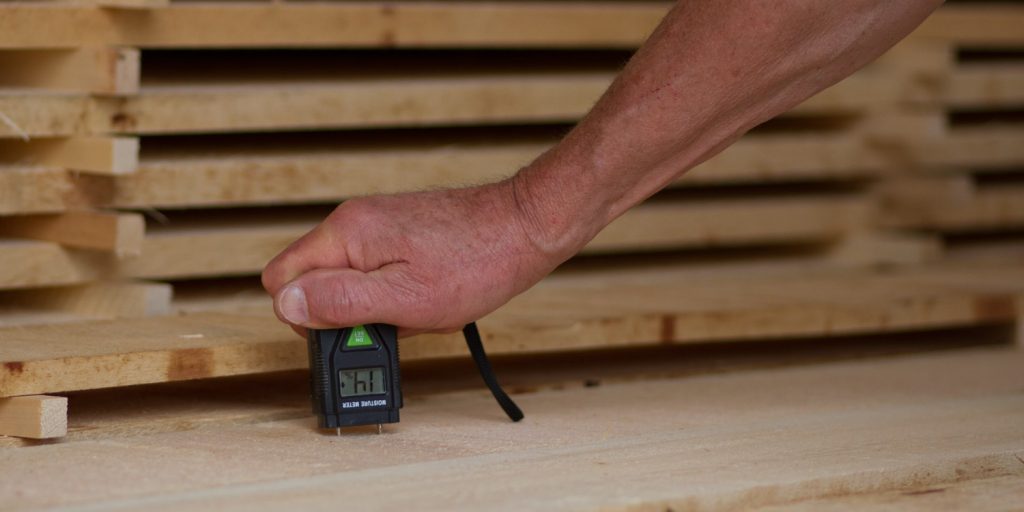
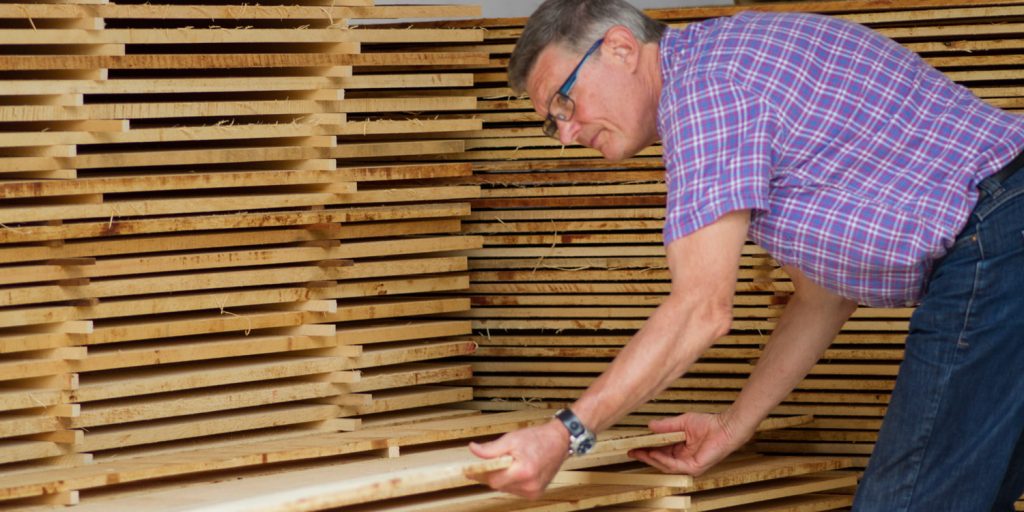
When I receive the wood from the sawmill, it is left to dry for a few months. This allows the wood to dry until it has reached an optimal residual moisture content and it also allows me to sort out warped pieces.

Designing
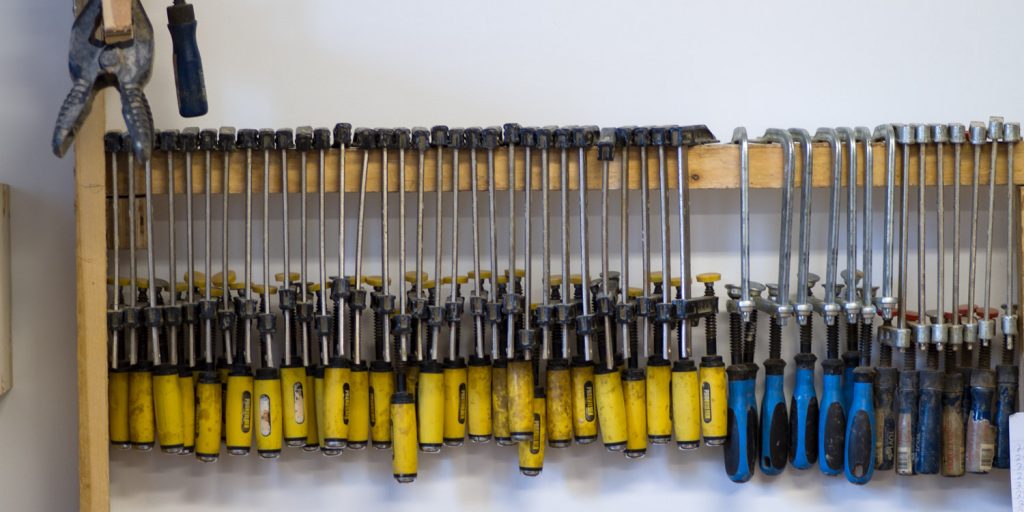
When the wood is ready for it, I can slowly start shaping it. I saw and plane it into the shapes that will make up the paddle and then let it dry for a few more months. This way I can follow the wood during the drying process and carefully select the pieces that will be assembled into each paddle. Only after the wood has gone through the two drying periods do I glue the pieces of wood together and finish them. When a paddle is finished, it consists of 13 to 19 pieces of wood.

Paddle surface treatment
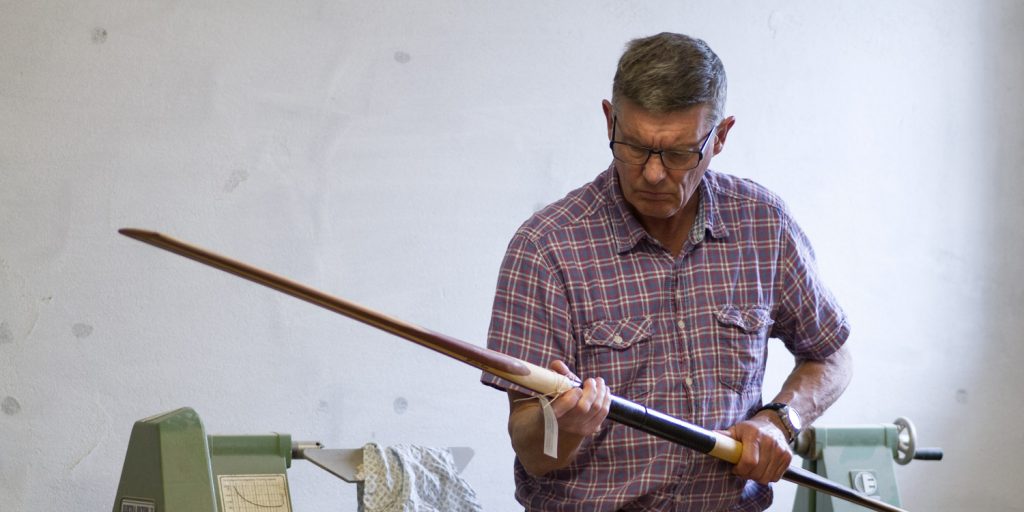
I reinforce the vast majority of my paddles with edges. This makes the paddle more resistant to everyday bumps and adds an aesthetic detail at the same time. I do the reinforcement with hardwood on the edges and a piece on the tip of the paddle. This allows you to sand or cut the ends yourself if the paddle gets some minor damage.
I impregnate my paddles with a proprietary oil. It consists primarily of linseed oil mixed with canuba wax, which I treat each paddle up to 10 times with 3 different mixtures. The mixture of oil and canava wax gives the paddle a waterproof and comfortable, warm surface. It never gets slippery – even when wet – and that means proper working conditions for your hands.

Maintaining your paddle
If you think your paddle is starting to look dull or isn’t as nice to hold as when it was new, simply rub it with a piece of toilet paper with oil. It is best to apply the oil at room temperature, or right.
When the oil has penetrated the wood after a few hours, wipe off excess oil with more toilet paper. Flush all paper down the toilet. If you need an oil/wax blend, you can buy one from me by writing or calling me. You can find my contact details on this page.